How long does Botox really last once those forehead lines soften and your brows lift? Most people see results for 3 to 4 months, sometimes stretching to 5 or 6 with the right technique, dose, and aftercare. The catch is that longevity varies by area, metabolism, and even your facial habits. This guide explains what to expect from your first Botox treatment through touch-ups a year later, and it lays out practical strategies I use with patients to make results last longer without a frozen look.
The clock that starts at your appointment
Botox injections work by temporarily blocking the nerve signals that prompt specific muscles to contract. You will not see immediate smoothing as you walk out of your Botox appointment. Early changes show up around day 3, with full Botox results between days 10 and 14 for most facial areas. If you are treating the masseter muscles for a wide jaw or bruxism, the visible slimming can take closer to 4 to 6 weeks. Medical Botox for migraines or excessive sweating follows its own timeline, which I will address later.
Once the effect peaks, your body gradually rebuilds the nerve messaging system at those injection sites. As the blockade fades, motion returns in stages. Longevity depends on how aggressively the muscle was treated, how strong that muscle was to begin with, and how often you use it in daily expressions.
Typical longevity by area
Not all facial zones behave the same. Thinner, more active muscles tend to wear off faster, while thicker muscles or areas with fewer competing expressions often hold longer. Here is a practical range based on what I see in clinic and supported by product labeling and clinical experience.
Forehead lines: 2.5 to 4 months. The frontalis muscle is thin and constantly active. Light doses preserve brow movement but will taper a bit sooner.
Frown lines (the 11s): 3 to 4 months. The corrugators and procerus respond predictably, especially with consistent treatments that weaken the pattern of scowling over time.
Crow’s feet: 3 to 4 months. Smiling and squinting drive movement here, and outdoor enthusiasts sometimes see shorter durations.
Bunny lines on the nose: 2.5 to 3.5 months. Smaller muscles, frequent motion, and conservative dosing to avoid affecting smile lines make longevity modest.
Lip flip for a gummy smile or subtle lip lift: 6 to 8 weeks. The orbicularis oris is delicate, and an overly strong dose can make sipping from a straw or pronouncing certain sounds awkward. Expect shorter duration by design.
Chin dimpling: 3 to 4 months. The mentalis often holds nicely when dosed correctly.
Neck bands: 2.5 to 4 months. The platysma is broad and can be variable. Technique is critical to avoid swallowing or voice issues.
Brow lift shaping: 2.5 to 4 months. This depends on balancing multiple muscles and may need fine tuning.
Jawline and masseter muscles for bruxism or facial slimming: 4 to 6 months for function, 8 to 12 weeks for visible contour change, and up to several months for the full aesthetic payoff. Repeated treatments can slightly atrophy a bulky masseter, which may lengthen intervals.
Underarm sweating (hyperhidrosis): 4 to 6 months is common, sometimes longer. Hands and feet tend to wear off sooner and can be more uncomfortable to treat.
Migraines: 10 to 12 weeks between cycles is standard in medical protocols. Effects often build across the first two to three rounds.
What influences how long Botox lasts
Think of longevity as the sum of biology, technique, dose, and lifestyle. You can optimize some of these, but not all.
Your metabolism and muscle strength. Fast metabolizers, athletes with high cardiovascular output, and people with very strong facial muscles may wear off faster. If your baseline frown is deep or your forehead is very active, expect the first treatment to fade on schedule, then improve with consistency.
Dose and units. Botox units matter. Underdosing wears off fast. Overdosing can feel heavy and unnatural, and it does not always mean the effect lasts longer. The sweet spot is a dose that quiets motion while preserving natural expression. Full face Botox requires a careful allocation of units across zones; Baby Botox favors microdoses for a fresh look with softer edges and shorter duration.
Product choice. Botox, Dysport, Xeomin, and Jeuveau are all botulinum toxin type A. They differ slightly in diffusion, onset, and personal response. Dysport sometimes has a quicker onset in certain areas and may spread a bit more, which can be good for broad zones like the forehead. Xeomin is a “naked” toxin without complexing proteins, which some clinicians prefer for repeat use. Jeuveau performs similarly to Botox with a modern manufacturing process. Botox vs Dysport is less about better or worse and more about fit for the area and your goals. Some patients simply respond better to one brand.
Technique and injection sites. A skilled Botox injector maps your expressions, palpates muscle borders, and places microdroplets precisely. Even two millimeters off can affect results. The best Botox providers also consider how adjacent muscles pull against each other and shape the face dynamically.
Consistency over time. With regular Botox maintenance, muscles learn a new resting pattern, which can extend the interval between Botox touch up visits. I often see frown lines move from 12 weeks to 14 or 16 weeks after the second or third cycle.
Aftercare. Avoid hard workouts, saunas, and face-down massages for 24 hours. Do not rub the area. These common-sense steps reduce unwanted diffusion and help results settle cleanly.
First-time timeline vs seasoned regulars
If it is your first Botox treatment, plan for an initial series of two visits. The first sets the baseline. The second visit, typically at the 2-week mark, allows for a conservative touch-up if a small area remains active or one eyebrow is lifting higher than the other. I prefer this two-step approach for new patients because it avoids overcorrection and teaches us how your face responds.
After two or three rounds, the pattern becomes predictable. At that point you can schedule your Botox appointment in advance, often every 3 to 4 months for facial areas and every 4 to 6 months for underarms. Preventative Botox in your 20s generally uses fewer units and targets the early motion lines, which can delay etching of deeper creases, but the intervals are similar.
How to make your results last longer without looking frozen
There is only so much you can do to change your metabolism or facial anatomy, but technique and small habits matter. Choose a Botox specialist who takes time to watch your expressions from different angles. Ask how many Botox units they recommend per area and why. A thoughtful plan for Botox dosage, injection sites, and product choice beats a bargain menu of preset syringes.
Skin quality influences how smooth you look even as motion creeps back. Hydrated, elastic skin with a healthy barrier reflects light evenly. Combine your injections with medical-grade sunscreen, nightly retinoids as tolerated, and well-timed light procedures. Microneedling or gentle laser resurfacing can soften etched lines that Botox cannot erase alone.
Finally, avoid stretching your intervals too far in the hopes of saving money. Waiting until everything fully wears off allows muscles to retrain themselves into deeper folds. Slightly earlier refreshers often mean fewer units overall and less mechanical stress on your skin.
Touch-ups, maintenance, and the right frequency
Botox maintenance follows the natural fade. The key is not to chase every tiny flicker of movement. Allow a bit of expression, then refresh before deep creasing returns. For most cosmetic areas, that cadence lands around 12 to 16 weeks. For a lip flip or gummy smile correction, 6 to 10 weeks is typical. For masseter slimming, I schedule reassessment at 12 weeks, then retreat between 16 and 24 weeks depending on clenching and chewing patterns.
A conservative touch-up at two weeks is appropriate if one brow is asymmetrical, a small island of movement persists, or a specific line still creases with effort. Touch-ups after four or more weeks are generally considered a new treatment since the biologic process continues to evolve.
If you try a different brand, keep notes on your onset time, peak feel, and fade pattern. Botox reviews and personal Botox experiences matter most when they are your own, because response is individual.
How many units does it take?
Unit counts vary by sex, muscle strength, and aesthetic goals. Men often need higher dosing, which is why Brotox sessions look different on the chart. As a general reference for cosmetic zones:
Forehead lines: often 6 to 14 units, depending on brow position and forehead height.
Frown lines: commonly 12 to 24 units, adjusted for strength.
Crow’s feet: about 6 to 12 units per side.
Bunny lines: 4 to 8 units total.
Lip flip: 4 to 8 units around the upper lip border.
Chin dimpling: 6 to 10 units.
Neck bands: very variable, often 20 to 50 units or more in carefully spaced points.
Masseters: 20 to 30 units per side to start, then adjust based on clenching and desired slimming.
These ranges are not recipes. A precise map of your expressions always beats a cookie-cutter plan.
Botox vs fillers, and when to combine them
Botox and fillers solve different problems. Botox for wrinkles targets dynamic lines caused by motion. Hyaluronic acid fillers replenish volume, restore structure, and lift folds caused by gravity and fat loss. If your forehead lines are present even when your face is still, Botox will soften motion but may not erase the etched line. That is where targeted resurfacing or a micro-drop of filler can help.
Botox and fillers can be performed in the same session if the plan is clear and swelling is expected to be minimal. For heavy lifting or complex plans, spacing treatments by a week or two allows cleaner evaluation of Botox results before placing filler.
Safety, pain, and recovery
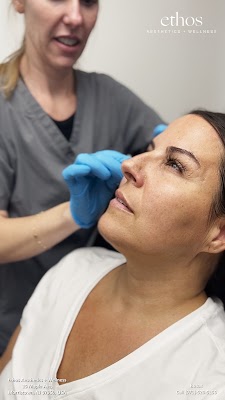
Most people describe Botox injections as quick pinches. Painless Botox is not realistic, but a topical numbing cream can take the edge off, especially around the lips or for underarm sweating. A skilled Botox provider uses fine needles, gentle pressure, and precise angles to minimize discomfort and bruising. Small red bumps at injection sites usually settle within an hour. Bruises, when they occur, fade in a few days and can be covered with makeup after 24 hours.
Botox aftercare is simple. Stay upright for a few hours, keep your hands off the area, avoid strenuous exercise and heat for the rest of the day, and skip facials or massages for 24 to 48 hours. Most people go straight back to work.
Side effects are usually mild and temporary: headache, tenderness, small bruises, or a feeling of heaviness if the dose was high. Rare risks include asymmetry, droopy eyelid, or smile changes if toxin diffuses into unintended muscles. These resolve as the product wears off, but smart planning minimizes the chance. If you are pregnant, breastfeeding, or have a neuromuscular disorder, postpone treatment and talk with your doctor.
Realistic expectations: Botox before and after
Photos can be powerful, but context matters. Lighting, expression, and head position can exaggerate change. When I take Botox before and after shots, I standardize everything and Morristown NJ botox injections ask for the same expression. The most satisfying results look natural when you are still and controlled when you move. You should recognize yourself, just better rested.
If you are seeking Botox for forehead lines yet want a high arching brow, you may need a nuanced balance between the frontalis and the muscles that pull the brow down. If your goal is a crisp jawline through masseter slimming, remember it is a gradual contour shift, not a liposuction substitute. Precision and patience trump speed.
Cost, deals, and how to shop wisely
Botox prices are typically quoted per unit or per area. Per-unit pricing gives the most transparency because unit needs vary by face. Botox cost per unit often ranges within a band that reflects local market, injector expertise, and clinic overhead. Cheap Botox can be a red flag if it means diluted product, rushed technique, or unqualified injectors. Affordable Botox is possible through memberships, Botox packages, seasonal Botox specials, or group Botox discounts that do not cut corners on safety.
If you are comparing quotes, ask about the brand used, dilution, who performs the injections, and what the follow-up policy is if you need a tweak at two weeks. Botox financing and payment plans exist at some practices, but the smartest value is an experienced injector who gives you the right dose the first time. Medical Botox for migraines or excessive sweating may be covered by insurance in certain cases, while cosmetic Botox is not.
Choosing a provider who maximizes longevity
Credentials matter. Look for a Botox doctor or trained medical professional with substantial experience and ongoing Botox training or Botox certification courses under their belt. Read Botox reviews for patterns in longevity and natural results. Then rely on a consultation where the provider watches you animate and explains the plan in plain language.
In my practice, the best Botox results come from collaborative decisions. We review your history, note any prior adverse events, discuss Botox techniques appropriate for your features, and align on how much motion you want to preserve. A careful map of Botox injection sites is drawn with you sitting up, not lying down, to reflect real-world gravity and expression.
Special cases: migraines, sweating, TMJ, and beyond
Medical Botox follows protocol-driven patterns. For chronic migraines, dosing across scalp, forehead, temples, and neck repeats every 12 weeks. The effect builds across multiple cycles. For excessive sweating, especially axillary hyperhidrosis, results can be life changing, with dryness for 4 to 6 months or longer. Palmar or plantar treatments can help but may require staged sessions due to discomfort.
For TMJ pain and bruxism, masseter injections reduce clenching intensity and protect teeth. Relief often starts within a week, peaks by 4 to 6 weeks, and lasts several months. If the goal includes facial slimming, understand that the jawline contours refine gradually across repeated sessions.
Bunny lines, gummy smile, downturned mouth corners, and smoker’s lines respond to small, strategic dosing. These micro-adjustments demand precision, and the shorter duration is part of the trade-off for a natural, functional mouth.
What if Botox stops working?
True resistance to botulinum toxin type A is rare but possible. More commonly, expectations shift, life stress increases facial motion, or dosing was too light. If results feel shorter than your earlier rounds, consider a few steps before blaming the product. Review your unit counts. Check the timing of your workouts or sauna use around the appointment. Look at added sun exposure or squinting without sunglasses.
If the pattern persists, a trial with another brand, such as Dysport, Xeomin, or Jeuveau, can reset the response. Xeomin’s lack of accessory proteins is preferred by some patients who worry about antibody formation, though evidence for clinically significant antibodies in cosmetic dosing remains limited.
Building a smart yearly plan
Longevity improves when you plan around your calendar. If you have weddings, photos, or big meetings, schedule injections 3 Morristown NJ botox to 4 weeks beforehand so any tweaks are done and bruises are long gone. For seasonal hikers or skiers who squint and laugh in bright light, shift treatments slightly earlier in those months. If you are exploring Botox alternatives for etched lines, slot resurfacing or biostimulatory treatments in between toxin sessions.
A yearly plan also helps with budgeting. Spread out your Botox treatments, and mix in maintenance skin care that keeps your canvas smooth. Most patients do best with three or four toxin sessions per year, with extra points as needed for lip flip or small refinements.
A brief note on safety and sourcing
Botox safety depends on product authenticity and injector skill. Always receive injections in a medical setting with sterile technique. Avoid Botox parties where lighting, sterility, and emergency readiness can be compromised. A reputable Botox clinic uses FDA-approved products from authorized distributors. If you are lured by ultralow pricing, ask direct questions. Your face deserves traceable product and practiced hands.
Two concise checklists to keep your results on track
Pre-appointment planning:
- Stop blood-thinning supplements like fish oil, high-dose vitamin E, and ginkgo a week before if your doctor approves, to reduce bruising. Schedule two weeks before major events, not two days. Arrive without heavy makeup on treatment areas. Review medications and medical history with your injector. Bring reference photos that capture how you like your brows or smile.
First 24 hours after Botox:
- Stay upright for four hours and avoid rubbing the areas. Skip intense exercise, saunas, and hot yoga. Limit alcohol that evening to reduce bruising. Use a gentle cleanser, then hands off. Watch for small asymmetries and note them for your follow-up.
Final thoughts from the treatment chair
Botox longevity is predictable within a range, yet personal in its details. Expect 3 to 4 months for most cosmetic zones, shorter for a lip flip, and longer for masseters and sweating when the plan is tailored to you. If you commit to precise dosing, thoughtful placement, and steady maintenance, you can extend intervals modestly and keep your expressions natural. The goal is not to erase who you are. It is to quiet the lines that tell the wrong story and let your face move the way you feel.